

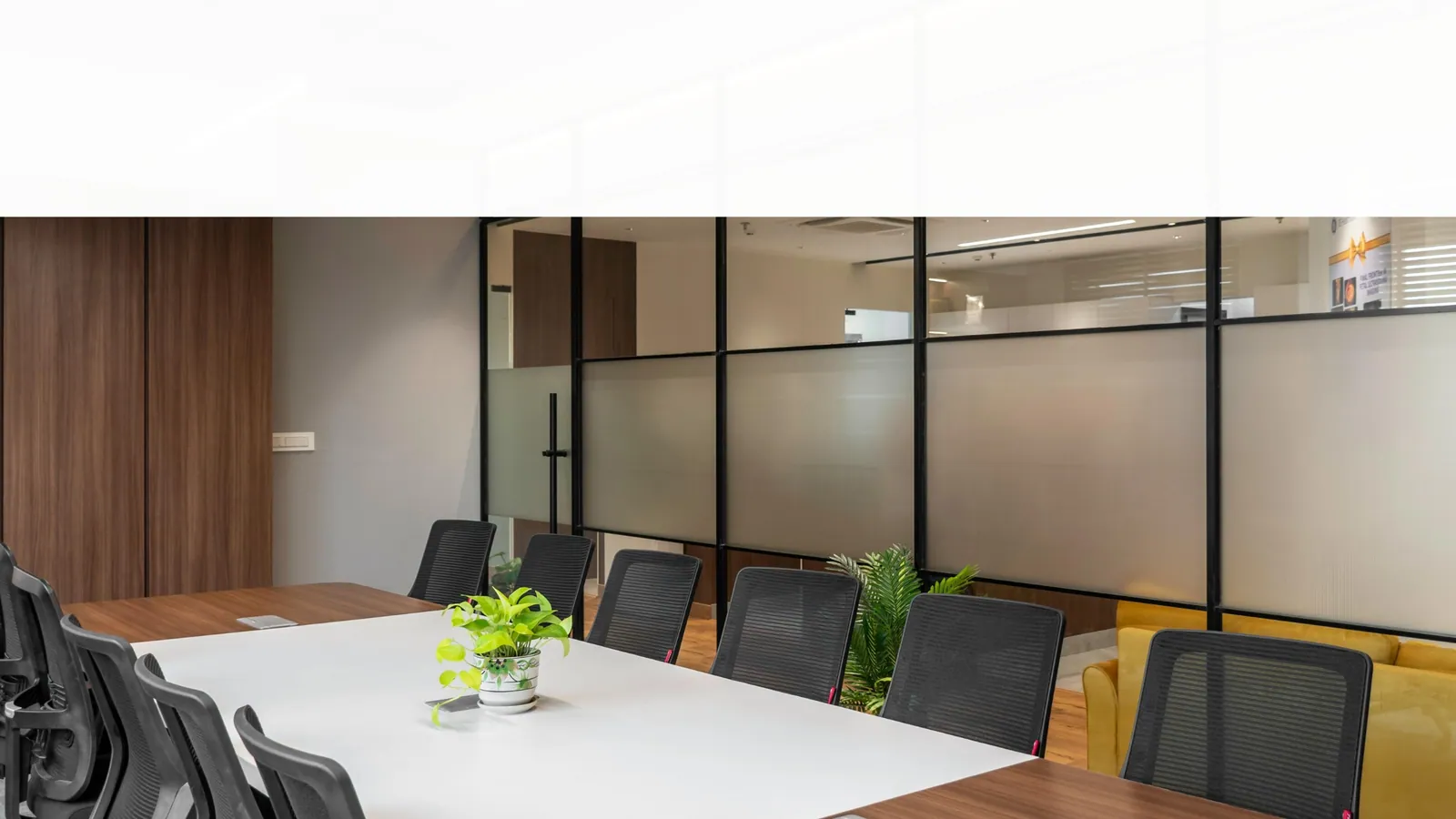
It is 09:00, the day has barely begun, and already several colleagues are standing outside the door of a meeting room. On the screen, the room is shown as “available”, but in the shared calendar it appears to be booked. Nobody really knows what is going on. One takes out their phone to check their calendar, another searches desperately for a confirmation email, while a third vaguely remembers booking a different slot… but is no longer quite sure.
And when the situation is finally sorted out, the meeting starts late, with a hint of tension and the feeling of having wasted time.
You have probably experienced this frustrating situation yourself. Perhaps it was you, that day, wandering the corridors in search of a free room… It is a common scene in many organisations, and yet so easy to avoid…
Whatever the context, organisations face the same difficulties when it comes to managing their spaces: lack of visibility, tools that are too complex, processes that rely too heavily on individual discipline… The result: the same problems keep coming back.
They are usually advised to use a more reliable booking tool, to synchronise their calendars better or to follow an internal procedure for checking availability. However, these recommendations are not always enough; the real challenge is to structure how spaces are used and to adopt the right habits.
That is why, before looking for a new solution or adding yet another tool, it is essential to adopt a few good practices to regain control of your spaces and optimise your resources.
Tip 1: Identify the most (and least) used rooms
Many organisations still struggle to measure the actual use of their spaces, desks and meeting rooms, which often leads them to make layout decisions without reliable data. Yet to make the most of every square metre, you need to understand how employees actually use the space:
- Which meeting rooms are over-used?
- Which desks remain unoccupied?
- Where are the peaks in activity concentrated?
Data then becomes a genuine strategic lever. With automated dashboards, organisations can obtain precise information such as occupancy rates or critical time slots. That is why we recommend monitoring these indicators regularly so you can adjust resources and rethink your spaces.
Tip 2: Display real-time availability at the entrance to each room
In many organisations, access to meeting rooms remains a source of confusion, as described above. This lack of clarity complicates everyday life and leads to time being wasted unnecessarily.
There are several ways to achieve this:
- Make the status of meeting rooms visible on the spot, without having to check a calendar
- Use an intuitive colour code that is easy to read: green = free, orange = occupied soon, red = booked. This lets employees see at a glance whether a room is available
- Install occupancy sensors in rooms to update the “occupied/free” status automatically and prevent ghost bookings
- Release rooms automatically in the event of a no-show.
By combining these actions, employees make the right decisions at a glance… and save precious time.
Tip 3: Simplify the management of internal training sessions and seminars
To reduce the frustrations involved in managing rooms and resources, organisations can start by running training sessions dedicated to booking tools. The aim is to give everyone the right habits and explain how to book a room, change a request…
When new tools or rules are rolled out, support meetings also make it possible to answer questions and identify problems on the ground so that they can be resolved more effectively.
At the same time, creating clear, accessible guides (step-by-step instructions, short videos, internal FAQs…) helps employees easily find the information they need.
Tip 4: Set simple rules of good conduct
However effective a tool may be, it is not always enough to ensure that rooms are used smoothly and fairly. To prevent misuse and improve everyone’s experience, a few simple rules can make all the difference.
- Cancel a room booking as soon as the meeting is cancelled, so that the room is immediately available again.
- Stick to end times to avoid overruns that disrupt the next teams.
- Release the room as soon as you leave
- Book a suitable space. Avoid tying up a large room for a small meeting or a one-to-one conversation.
Introducing a clear usage charter helps align all employees around shared good practices.
By combining these good practices, managing rooms, desks and resources already becomes smoother.
And when they are backed by the right tools, resource management becomes clearer and every space is used more intelligently.
That is exactly what we offer at Hamilton Apps.
With Hamilton Deskbooking, everyone can book a desk in seconds, which spreads occupancy more evenly and avoids under-used areas, while contributing to the optimisation of available resources.
With Hamilton Meeting, room availability becomes clear, reliable and instantly synchronised for everyone, reducing conflicts and improving the actual use of meeting rooms.
Our aim is simple: to help you optimise your space, avoid booking conflicts and make your working environments smoother and more efficient.
Less frustration, more clarity… and teams that can finally focus on what really matters…